Black Friday
Black Friday at Amazon, worked out in advance
The rewards side of Black Friday is decided before the sale starts. Here is the order of operations, with a source on every rule.

The short answer
How to get the most back on Amazon at Black Friday
The rate does not change for the sale — so the work happens before it. Get the right card set as your default, know which purchases fall outside the 5%, decide what the price should be before the countdown starts, and pay the statement in full. That is the entire edge.
The premise
Black Friday changes prices, not rates
Every seasonal rewards guide implies there is a Black Friday multiplier hiding somewhere. There is not one, at least not one Chase publishes. The Prime Visa pays 5% back (Chase — Prime Visa, verified 2026-08-11) at Amazon.com, Audible.com, Whole Foods Market and Chase Travel, with an eligible Prime membership (Chase — Prime Visa, verified 2026-08-11) in November exactly as it does in June.
That is genuinely useful information, because it tells you where the leverage is. If the rate is fixed, then the only variables you control are which card you use, whether the purchase is eligible at all, what you pay for the item, and whether you pay interest afterwards. Three of those four are settled before the sale opens.
So this section is not a deals feed. It is the arithmetic and the published terms behind the four decisions, written far enough ahead of the season that you can act on them.
Source: Chase — Prime Visa · verified 2026-08-11
The calendar
The dates that are fixed, and the ones that are not
Two different things get called “the Black Friday date” and only one of them is knowable in advance.
The calendar date is fixed. Thanksgiving is the fourth Thursday in November, and the federal holiday calendar lists it as Thursday, November 26, 2026 (U.S. OPM — federal holidays, verified 2026-09-06). That puts Black Friday on Friday, November 27, 2026 and Cyber Monday on Monday, November 30, 2026.
Amazon’s event window is not. When we read Amazon’s own Black Friday page for this guide, it still described the previous year’s event: Black Friday is an Amazon deal event from November 20-28 (the 2025 edition — the wording Amazon's page still carried when we read it) (Amazon — Black Friday page, verified 2026-09-15). Its Cyber Monday page did the same: Cyber Monday is an Amazon deals event on November 29 - December 1 (the 2025 edition — the wording Amazon's page still carried when we read it) (Amazon — Cyber Monday page, verified 2026-09-15).
The useful takeaway is the shape rather than the dates. Amazon has been running a multi-day event that starts the week before the Friday and runs into the following week, which means “Black Friday pricing” is not a single-day event to be caught. Check Amazon’s own page for this year’s window before you plan around it.
Sources: U.S. OPM — federal holidays · Amazon — Black Friday page · Amazon — Cyber Monday page · verified 2026-09-06
The order of operations
Four decisions, in the order they pay
| Decision | Worth on $1,000 | When you make it |
|---|---|---|
| Pay a lower price for the item | Unbounded — the largest term by far | Before the sale, by knowing the price you will accept |
| Use the 5% card instead of a 1% card | $40 | Before the sale, in your Amazon payment settings |
| Avoid an ineligible checkout route | Up to $50 on the affected order | At checkout, by not using Amazon Pay elsewhere |
| Pay the statement in full | Protects the whole $50 | The following month |
Sources: Chase — Prime Visa · Chase — Prime Visa Pricing & Terms · verified 2026-08-11
The table is deliberately ordered by size. A 5% card on a $1,000 basket returns $50. One item you did not need, bought because a countdown timer said 63% off, costs more than that on its own. Rewards optimization is the last and smallest move in a Black Friday plan, and any page telling you otherwise is selling the card rather than the arithmetic.
The season, page by page
Everything in this section

Stacking cash back
The four layers that stack on a Black Friday order, what each is worth, and the sequence that avoids canceling one out with another.

The 5% categories
Chase's published category list and exclusions, applied to the things people actually buy in November and December.

Price tracking + rewards
What Amazon's List and Typical labels do and do not tell you, how price history fills the gap, and the arithmetic that ranks price above rate.

Mistakes that cost rewards
The published exclusions and ordinary errors that quietly reduce what a Black Friday order earns, each with the term it comes from.
When to buy
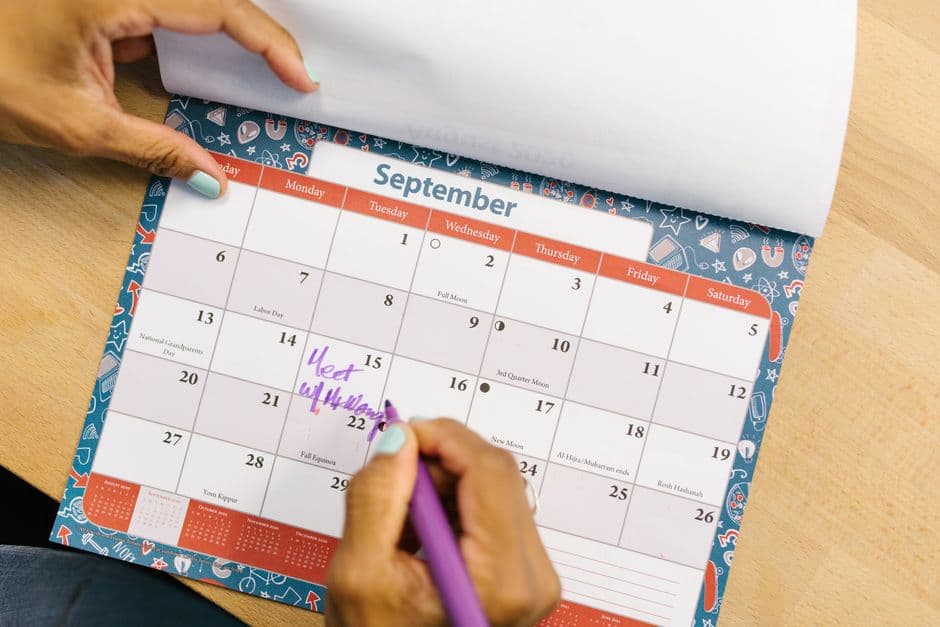
What Amazon says about each event, the fixed 2026 calendar dates behind them, and the one factor that actually differs.

Applying before the sale
Lead time, the hard inquiry, what a welcome offer is worth against a deadline, and when waiting is the better answer.
Interest vs rewards
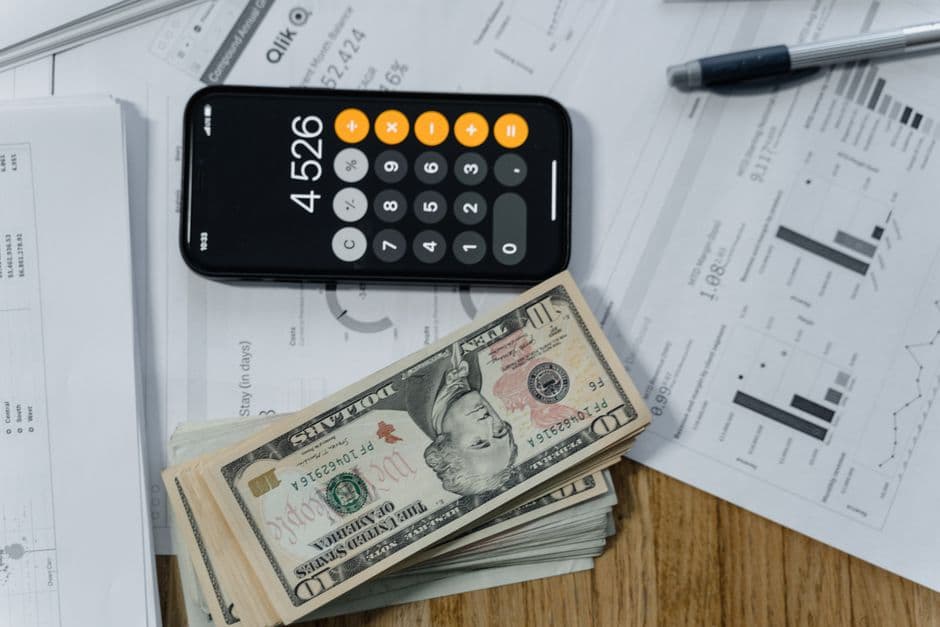
The published APR set against the published rate, worked out month by month, plus what the grace period actually requires.

Pre-sale checklist
A ten-item setup list covering payment defaults, balances, membership status and the earning settings people find out about too late.
The compliance line
What this section will not tell you
No page here tells you to open a credit card to fund holiday spending, and none of them estimate what you will be approved for. Card terms are published by the issuer and change without notice, so every rate, fee and exclusion on this site carries a link to the issuer page it was read from and the date we read it. Before you act, check the current terms on that page.
We also do not publish product prices. This is a sourced-figures site, and a price we quote in September is wrong by November. Where a page needs a price, it tells you how to check the live one instead.
#ad New cardmembers only, subject to approval and to Chase's published terms, which change without notice. The 5% rate at Amazon requires an eligible Prime membership. We earn a flat fee if you sign up through this link, at no cost to you. How we’re paid.
Common questions
Common questions
- When is Black Friday 2026?
- Friday, November 27, 2026. Thanksgiving is the fourth Thursday in November, and the U.S. Office of Personnel Management lists it as Thursday, November 26, 2026, which fixes Black Friday on the 27th and Cyber Monday on the 30th.
- Has Amazon announced its 2026 Black Friday deal dates?
- Not when we last checked. Amazon's own Black Friday landing page still described the 2025 event, a November 20-28 window. Amazon typically runs the event over several days rather than one, but the 2026 window is not published yet.
- How much cash back can you get on Amazon during Black Friday?
- The card rate does not change for the sale. The Prime Visa pays 5% back at Amazon with an eligible Prime membership, the same as it does in March. Anything above that comes from the deal price itself, not from a seasonal bonus.
- Does Amazon run a special cash back rate for Black Friday?
- Chase publishes no seasonal rate change for the Prime Visa. Treat any claim of a limited-time Amazon cash back multiplier as something to verify against Chase's own card page before you act on it.
- What is the single biggest rewards mistake in Black Friday week?
- Carrying the balance. The purchase APR runs 18.74% to 27.49% variable. One month of interest on a holiday balance costs more than the 5% the same purchase earned.
Related
Read next
- What the Prime Visa actually pays — the rate the whole seasonal plan is built on
- The best way to redeem Amazon points — where the rewards go once the season has produced them
- Amazon gift cards, by the published rules — the other currency in play from November onward
- The best card for Amazon purchases — if you have not settled which card is going in the cart yet
Written by Stephen V. — An enthusiast who's genuinely into this. I read the terms, compile the published rates, and do the math. No lab coat, no credentials, no test lab.
About this site · How we research · How we’re paid
Last verified: 2026-09-06